- Keith Smith: Don't take my word for it
- Posts
- When "more" isn't the answer
When "more" isn't the answer
You can't spend your way out of poor marketing

Keith Smith
January 02, 2026
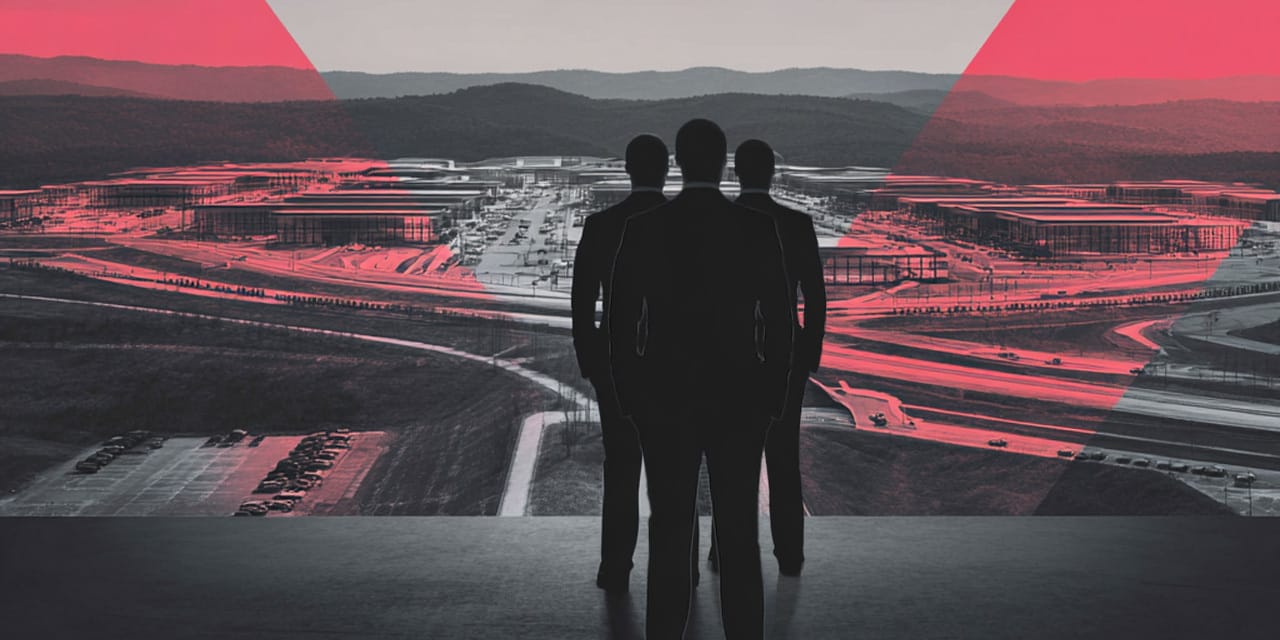
Global power demand from data centres will increase 50% by 2027 and by as much as 165% by the end of the decade, according to Goldman Sachs.
Data centres represent the basic infrastructure that fuel the digital services that we all rely on every day.
This raises two very important questions:
1. Where is all this additional demand for power going to come from?
2. Who says we need all these digital services?
Two very different topics here. The first one takes us into the weeds of the fossil fuels versus renewables debate and the second, which I will offer an opinion on here, is not discussed quite as much.
The Long Con
According to a recent study by McKinsey, by 2030, more than $7 trillion of investments will go toward computing-hardware, with $5.2 trillion going toward areas such as real estate and power infrastructure.
Investment aside, it’s going to take up a lot of land to house all these data centres. When we ask why we need all these data centres and all this computing power, we’re always told “It’s all about AI”. Which is true to the extent that companies and governments - and companies that work for governments, are driving it.
But this isn’t about making sure that you have the ability to create a group photo of your cats at the top of Mount Everest, or so you can seamlessly shop between movies and retail brands.
It’s about storage. It’s about making sure that your car’s number plate is associated with the journey to the DIY store or the Off-Licence and the purchases you made, so that insurance companies, retailers and law enforcement can keep an eye on you.
We seem to be rushing towards a vision that isn’t of our choosing.
Every time a new data centre is proposed – either in the USA or UK, the local neighbourhood goes up in arms, objections are lodged, noted and generally disregarded, politicians are sent a ton of money, and environmental policies be damned – we need this data centre!
All because a handful of tech bros have decided that this shall be the future and we should be glad that they’ve made the decision for us.
It’s the combined vision of a few multi-billionaires.
It’s why Meta sold data to the Russians. It’s why Musk acquired Twitter and then conned the American public and politicians into DOGE. It’s why Peter Theil funded Palantir and we’re all being herded into data monitoring plays like trackers and digital ID cards.
I don’t remember any of us voting on these issues.
I remember voting for freedoms, but not for chains.
I remember voting for the freedom to be creative without borders, not having my every move monitored and recorded.
Which brings me to the problem that I have with this Big Brother future.
Creativity
In the marketing world we’re constantly being told that marketing budgets are increasing in size and that we need to keep investing in marketing.
Do it now, do it at speed, and do it cheap.
We’re like contestants on Supermarket Sweep, running up and down the aisles, throwing shit in our baskets, without thinking first.
It’s an old adage that poor people make bad choices. This is largely because poor people exist in a highly compressed timeframe, living hand-to-mouth, buying what they can when they can and only when they need it.
In the marketing world, we’re behaving like that too.
We’re making poor choices because our clients are making poor choices too. We think that buying ads to send to people who’ve already bought our client’s product is a great use of budget.
It’s not.
It’s not marketing; it’s repeat sales at best.
Different line entry in the budget.
Real marketing is instinctive. It’s feeling-driven. It’s a roll of the emotional dice. Real marketing is finding something that triggers an emotion; that makes us remember it and talk about it at dinner or create songs or jokes about it. Something that inspires a cultural shift.
The best we got in 2025 was Sydney Sweeney and a white supremacy-adjacent tag line.
I grew up in an era of wall-to-wall outrageously memorable advertising and marketing, not the gavage-feeding of mediocre marketing, across the galaxy of platforms we see now.
Every month, I look at my electricity bill and wonder how much of it is being wasted on supporting the growth of data centres. And I’m reminded of the old phrase about advertising budgets: “Half of my advertising budget is wasted; the trouble is I don’t know which half.”
Big data or not, we’re still wasting over half of our marketing budgets, to support the long-con that we really need all this data to make our lives more perfect. When in fact only a few people actually need all this advertising money to make their lives more perfect.
Musk, Zuckerberg, Bezos, Page, Brin, Ballmer and Cook.
This is why I believe that 2026 will see a divergence in the world of marketing.
This split will be between the organisations and their leaders that believe in the corporate benefits of great creativity, and those who – well…don’t.
Say hello to the Marketing Stack
For those who do, we will see the rise of the marketing stack – a marketing department that uses the very best procurement tools to design their very own, personalized marketing engine. A marketing strategy built for the exact needs of the company. Not a one-size-fits-all approach, driven by a fear of missing out, but a bespoke strategy based on the agreed needs of the business.
A bit like how we used to do it, but with more tools.
And at the heart of this marketing stack, lies creativity. Creativity that drives all the other elements with a united focus, message and purpose.
Of course there’s going to be an element of risk – that’s exactly what makes great creativity, but it’s no more risk than this de-risked gaslighting taking place in today’s marketing. More does not equal better.
Just because you can, doesn’t mean you should.
The CMO of 2026 will be skilled in picking and blending the right tools for the organisation - a creative mixologist, carefully weaving PR, digital, outdoor, influencer, TV and print - all driven by a single creative proposition.
It’s the only possible way to guarantee maximum bang for your buck.
Then – and only then, will we be able to wean ourselves off this unhealthy, illogical, false narrative of big data surveillance marketing being the answer to our commercial woes.
Data has its place in marketing, but not at the head of the table.
That chair is reserved for the creatives, the risk-takers, the mavericks and the maestros who inspire and delight us with clever, bottom-up strategies that actually generate sales and drive brand awareness.